
Ra’anana & Herzliya: Premium Anglo Suburbs for Families Who Want Community, Schools and Tel Aviv Access
- Toviyah Stamelman

- 12 hours ago
- 17 min read
Israel Properties by Stamelman & Partners|Anglo Communities Series

For Anglo buyers planning Aliyah, few places come up more often than Ra’anana and Herzliya. Both sit in the Sharon region near Tel Aviv and Herzliya’s business and tech corridors, both attract international buyers, and both offer strong quality of life, but they serve somewhat different buyer profiles. Ra’anana is best known as one of Israel’s most established English-speaking family communities, while Herzliya combines suburban convenience with executive lifestyle appeal, and Herzliya Pituach stands out as one of the country’s premier coastal luxury markets.
For families choosing between the two, the real decision is not simply “which city is better,” but which environment best matches budget, schooling priorities, religious life, commute needs and long-term lifestyle goals. Buyers focused on schools, shuls and a smoother Anglo landing often gravitate toward Ra’anana, while buyers prioritizing sea proximity, prestige, international atmosphere and executive convenience often lean toward Herzliya.

Ra’anana overview
Ra’anana is widely regarded as one of Israel’s leading destinations for English-speaking Olim and long-term Anglo families. It is located in the southern Sharon Plain, close to Kfar Saba and only a short drive from Herzliya and Tel Aviv, which gives residents access to major employment hubs without giving up a suburban family setting. The city has developed a reputation for clean streets, well-kept parks, strong municipal services and an unusually smooth integration path for new immigrants compared with many other Israeli cities.
Ra’anana’s social character is one of the main reasons it remains so desirable. Public descriptions of the city repeatedly emphasize its large English-speaking population, strong Dati Leumi presence, broad religious-secular coexistence and welcoming community atmosphere. One source describes the city as having more than 80,000 residents with roughly 30 percent English speakers, while another highlights its reputation as the “ultimate Anglo-friendly community in Israel.” For many foreign buyers, that combination of familiarity and Israeli identity is exactly what makes Ra’anana feel manageable, especially during the first years after Aliyah.

Ra’anana neighborhoods and sub-areas
Ra’anana is not a single-style city; it is a collection of micro-areas with different housing stock, budgets and community feel. Buyers who understand those differences can narrow their search much more effectively and avoid wasting time in neighborhoods that do not suit their stage of life.
North Ra’anana
North Ra’anana is one of the most sought-after parts of the city for established families, especially those looking for larger homes, higher-end apartments and close access to parks, schools and stronger religious community infrastructure. This part of the city is especially popular among affluent Anglo buyers and Modern Orthodox families, and it tends to command some of the highest prices in the Ra’anana market.
In practical terms, North Ra’anana is often where buyers focus when they want a classic suburban feel with upgraded housing stock and stronger family-oriented streets. Homes are often larger, buildings are generally well maintained, and buyers paying a premium often do so because the neighborhood gives them a long-term family base rather than just an apartment.

Central Ra’anana and Ahuza area
The area around Ahuza Street is the commercial and practical heart of the city. It appeals to buyers who want walkability, nearby shops, cafes, services, bus routes and a more active street atmosphere than the quieter family-only pockets. Housing here includes older low-rise buildings, upgraded apartments, some renewed projects and select private homes on side streets.
For some Anglo buyers, central Ra’anana is the ideal compromise: highly livable without being car-dependent, close to daily conveniences, and still within easy reach of many schools and shuls. It can work especially well for families who want urban convenience inside a suburban city, as well as for older buyers and parents who expect children to become independent over time.
Neve Zemer and newer projects
Neve Zemer is associated with newer construction, modern apartment layouts, underground parking, elevators, cleaner building standards and the kind of contemporary design many foreign buyers prefer. It has drawn younger families and buyers who prioritize turnkey housing over charm, and it is often attractive to those comparing Ra’anana with newer neighborhoods elsewhere in central Israel.
For Olim families, new-build areas can be especially attractive because they reduce renovation risk and often offer a more familiar apartment standard. The trade-off is that prices can be high for relatively modest bedroom counts, particularly when the project includes terraces, parking, storage or garden access.
Western and southern pockets
Western and southern parts of Ra’anana include a mix of older private homes, renovated low-rise buildings and selective infill projects. Some pockets are more attainable than the prime northern streets, while others include upscale villas on larger plots and therefore sit firmly in the premium segment. These areas require very street-by-street analysis because pricing and quality can vary sharply even within short distances.

Ra’anana schools
For Anglo families, schools are often the decisive factor, and Ra’anana has one of the strongest reputations in Israel for educational choice. Public descriptions of the city highlight a wide range of secular, religious, bilingual and special-program options, which is especially valuable for families making Aliyah from North America, the UK or South Africa.
Named schools and frameworks associated with Ra’anana include Orot Etzion as a religious Anglo-oriented option, Ariel School, Bilu School, Ostrovsky High School, Mor Metro-West High School and Aviv High School. There are also references to music, science and technology, and alternative educational frameworks, reflecting the city’s broad educational ecosystem rather than a single-track approach. This breadth matters because new immigrant families often need flexibility: one child may thrive in a state-religious setting, another in a more mainstream secular environment, and another in a framework that offers extra transition support.
One of Ra’anana’s strongest advantages is not just the existence of schools, but the social support around them. In a city with a large English-speaking base, parents can access advice, word-of-mouth guidance and community knowledge much faster than in cities where Olim must build those networks from scratch. For many buyers, that informal support system is every bit as important as the official school list.
Ra’anana shuls and community life
Ra’anana’s synagogue network is one of its defining strengths for religious and traditional Anglo buyers. The city offers not only many synagogues, but also a full ecosystem of shiurim, community activities, learning opportunities and social support that can make integration far easier for new Olim.
Two of the most prominent Anglo-linked congregations specifically identified in available sources are Kehillat Ohel Ari and Kehillat Shivtei Yisrael. Ohel Ari is described as a flourishing Anglo synagogue with educational and cultural opportunities for adults and children, a kollel and active outreach programming. Kehillat Shivtei Yisrael is described as having a significant British and South African constituency and offering many learning and social activities. Ariel Shul is also publicly listed as a synagogue option in Ra’anana.
This concentration of English-friendly religious life is one of the main reasons Ra’anana continues to outperform many competing suburbs among Anglo Dati Leumi and traditional buyers. The city does not just offer places to daven; it offers a ready-made social and spiritual framework that helps families build roots quickly.
Ra’anana prices: 3, 4 and 5 bedrooms
Ra’anana is a premium family market, and prices reflect that. Public listing and market pages indicate that 4-room apartments, which in Israeli real estate language usually correspond roughly to a 3-bedroom layout, commonly sit around the low- to mid-3 million NIS range and can rise toward 4 million NIS and beyond depending on neighborhood, age, building quality and outdoor space. In newer projects or high-spec neighborhoods such as Neve Zemer, the upper end of the range can move higher still.
For practical buyer guidance, a realistic working band for a standard 3-bedroom apartment in Ra’anana is approximately 3.0M to 4.2M NIS, with older stock at the lower end and new or renovated apartments in stronger locations at the upper end. A good 4-bedroom apartment or large 5-room apartment often sits around 4.0M to 5.2M NIS, especially when parking, elevator access, terrace space and upgraded interiors are part of the package. Entry-level 5-bedroom homes, semis or cottages often begin around 5.0M to 6.5M NIS, while stronger detached homes and high-end villas can run from 8M NIS upward, with prime homes reaching well above that.
The key point for buyers is that Ra’anana is rarely a bargain market. People buy there because they are paying for schools, community depth, neighborhood stability and long-term family suitability as much as for square meter count alone.


Herzliya overview
Herzliya offers a broader range of lifestyles than many outsiders initially realize. It includes mainstream residential neighborhoods, family-oriented areas near parks and schools, central zones with good transport access, the Herzliya business and tech district, and Herzliya Pituach, one of the most prestigious residential addresses in the country. This creates a city that can suit both upper-middle-class family buyers and ultra-high-net-worth coastal buyers, though not at the same price levels.
For Anglo and international buyers, Herzliya’s biggest strengths are location and lifestyle. It offers proximity to the beach, marina, business district, train connections and major roads, while also benefiting from a distinctly international atmosphere connected to diplomats, executives and multinational companies. Families who want access to central Israel’s employment core without living inside dense Tel Aviv often find Herzliya particularly compelling.
Herzliya neighborhoods and sub-areas
Herzliya Pituach
Herzliya Pituach is the city’s best-known premium area and one of Israel’s leading luxury residential markets. Public descriptions of the neighborhood emphasize beach access, expansive villas, luxury apartment buildings and proximity to major high-tech and business centers. It is also associated with embassies, international residents and high-profile buyers seeking privacy, prestige and sea-adjacent living.
This is not a standard family suburb in the Ra’anana sense. Herzliya Pituach is a lifestyle market where plot size, architectural quality, privacy, proximity to the sea and street prestige can influence value as much as room count. Buyers considering Pituach are usually making a capital-preservation or lifestyle decision rather than targeting classic suburban affordability.

Marina and coastal apartment areas
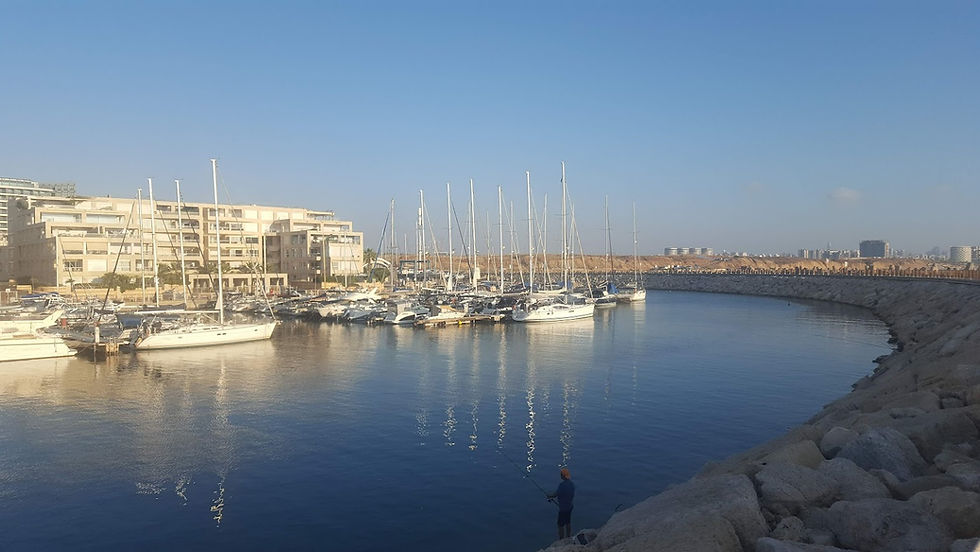
The marina and beachfront apartment market offers a different version of Herzliya luxury. Buyers there are often looking for a lock-and-leave apartment, executive residence, second home or high-end rental opportunity rather than a classic family villa. Buildings in these areas often trade on view, amenities, prestige and walking access to the sea rather than community density.
Glil Yam, Neve Amal and family-oriented areas
Outside the trophy coastline, Herzliya includes family-oriented neighborhoods that are more relevant for buyers relocating with children. Glil Yam and Neve Amal are linked in public sources with schools, neighborhood services and family demand, and they represent a more practical Herzliya option for buyers who want the city’s location without paying the full Pituach premium.
These neighborhoods matter because they show that Herzliya is not just for luxury villa buyers. A family with a strong budget but a more conventional housing brief may find far better value and usability in these sub-areas than on the immediate coastline.
Central Herzliya and transport-connected zones
Central Herzliya and the areas closer to transport links, commerce and the train offer a mix of older and newer apartments, practical convenience and better connectivity. For some buyers, especially professionals commuting to Tel Aviv or the tech corridor, this is the most functional part of the city because it balances access, livability and, relative to Pituach, somewhat more realistic pricing.
Herzliya schools
Herzliya is attractive to families not only because of location but also because of the range of educational options in and around the city. Public descriptions emphasize that Herzliya suits international and executive families partly because of access to quality schools and proximity to international educational frameworks. This makes it particularly attractive for relocating professionals who may want an international environment or an easier landing for children coming from abroad.
While the available public source set is less specific on individual named Herzliya schools than it is for Ra’anana, the city’s family appeal is clearly tied to education, especially in neighborhoods such as Glil Yam and Neve Amal that are associated with parks, services and schools. In practice, Herzliya works best for buyers who want high-quality schooling access within a broader international, coastal and executive environment rather than a concentrated Anglo-school ecosystem.

Herzliya shuls and community life
Herzliya has a meaningful religious and traditional presence, but it does not project the same concentrated Anglo-synagogue identity as Ra’anana. Its communal fabric is broader and more international, shaped by long-time Israeli residents, global professionals, diplomats and high-income coastal buyers. For some families that is a benefit; for others, especially those seeking a ready-made English-speaking Dati Leumi environment, it may feel less naturally structured than Ra’anana.
Publicly listed synagogue data confirms active congregational life in the city, including named communities such as Sha’arei Kedem. Buyers who are religious should therefore not read Herzliya as lacking shuls, but rather as offering a more dispersed and less Anglo-centered religious landscape.
Herzliya prices: 3, 4 and 5 bedrooms
Herzliya pricing is highly segmented by sub-area. In standard residential areas outside Herzliya Pituach, public market pages show 4-room apartments commonly around 3.3M to 4.0M NIS, with stronger neighborhoods and newer projects moving beyond that range. In better-positioned areas such as Glil Yam and selected upgraded projects, a realistic working band for a strong 3-bedroom apartment is roughly 3.4M to 4.6M NIS depending on size, age, parking and finish level.
A good 4-bedroom apartment in Herzliya can often sit in the 4.5M to 6.5M NIS range in desirable family-oriented areas, especially if the property is in a newer building, includes outdoor space or sits in a highly demanded neighborhood. A 5-bedroom family house in non-Pituach Herzliya often begins around 5.5M to 8.5M NIS and can run higher depending on land, renovation quality and exact location.
In Herzliya Pituach, the market operates on a different scale. Detached villas routinely sit in the high single-digit millions of NIS and into the double digits, while top-tier homes can extend into the tens of millions and, in exceptional trophy cases, far beyond ordinary family-market pricing. In this segment, sea proximity, plot size, privacy and architectural pedigree are often more important pricing factors than whether a home is advertised as four or five bedrooms.
Ra’anana vs Herzliya: which suits which buyer?
Ra’anana is generally the stronger fit for Anglo families planning Aliyah who prioritize community integration, schools, shuls and a softer landing. It offers one of the deepest existing English-speaking support systems in Israel, and that can materially reduce the emotional and logistical friction of relocation. Buyers who expect their children to enter local schools quickly, who want to walk to shul, or who want neighbors who have already lived the Aliyah process often find Ra’anana exceptionally well matched to their needs.
Herzliya is generally the stronger fit for buyers whose priorities include executive convenience, sea-adjacent lifestyle, prestige and connection to international business networks. It can work very well for affluent families too, especially in practical family neighborhoods outside Pituach, but its identity is less centered on the Anglo-immigrant experience and more on a broader central-Israel quality-of-life offering. Families choosing Herzliya are often buying not only a home, but also a certain rhythm of life: beach access, faster executive commuting, and a more global atmosphere.

Final perspective
Both cities deserve their reputations. Ra’anana has earned its standing as one of Israel’s top destinations for Anglo families because it combines schools, synagogue life, municipal quality and a deeply rooted English-speaking community in one suburban package. Herzliya deserves equal attention because it offers a broader luxury-to-family spectrum, unmatched coastal prestige in Pituach and outstanding access to the country’s business and technology core.
For buyers serious about either market, broad city-level impressions are only the first step. The real decision is made street by street, school catchment by school catchment, and micro-neighborhood by micro-neighborhood, because in both Ra’anana and Herzliya, small geographic differences can create major differences in price, atmosphere and suitability
Ra’anana: Typical Sizes and Price Bands
Ra’anana remains a premium family market, so even “standard” apartments trade at strong price points compared with many other Sharon cities.
3‑room and small 4‑room (2–3 bedrooms)
Typical internal size
3‑room: usually around 70–85 sqm net, often in older central or southern buildings.
Compact 4‑room: around 85–100 sqm in older stock, 95–110 sqm in newer Neve Zemer–type projects.
Working price band (purchase)
3‑room and small 4‑room: roughly 2.6M–3.4M NIS in older or less central streets, rising to around 3.4M–3.9M NIS in stronger locations or partially renewed buildings.
This segment is most relevant for downsizers, young couples, or Aliyah families willing to start smaller to secure the Ra’anana ecosystem of schools and shuls.
Full‑size 4‑room (3 bedrooms)
Typical internal size
Around 100–120 sqm in most family‑oriented buildings, with 10–20 sqm of balcony or garden in many newer projects.
Working price band (purchase)
Older/standard buildings in decent streets: about 3.0M–3.7M NIS.
Renovated, elevator/parking, stronger micro‑locations (North, Neve Zemer): about 3.7M–4.5M+ NIS.
This is the “core” Ra’anana family product for Olim with one to three children who want walkability to schools, shuls and Ahuza, but who are not yet at cottage/villa budgets.
5‑room apartments and family houses
Typical internal size
5‑room apartments: approximately 120–150 sqm plus balcony/garden.
Entry‑level cottages/semis: often in the 150–200+ sqm built range on small to medium plots.
Working price band (purchase)
5‑room apartments: about 4.0M–5.2M NIS in standard locations; more for high‑spec or penthouse‑style units.
Entry‑level cottages and semis: roughly 5.0M–6.5M NIS.
Detached houses and larger plots in North/prime pockets: from around 8.0M NIS upward, with high‑end villas moving well into the teens depending on land size and spec.
This is the bracket where long‑term Anglo family buyers who want a “forever home” in Ra’anana typically land, especially in northern and western pockets.
Luxury penthouses and villas
Penthouses
Sizes around 150–220 sqm internal with large roof terraces of 50–150 sqm are common at the upper end.
Pricing typically starts around 5.0M–6.0M NIS for strong but not trophy product and can run to 7.0M–9.0M NIS+ for exceptional locations, new buildings and large outdoor space.
Luxury villas
Built areas can start around 250–350 sqm on medium plots and move to 500 sqm+ on larger parcels.
Price expectations generally begin around the high single‑digit millions and extend into the teens and above for prime North Ra’anana streets and architect‑designed homes.
For international buyers, Ra’anana’s luxury segment is less about “showpiece on the sea” and more about substantial family homes with strong community infrastructure and long‑term capital preservation.
Herzliya: Typical Sizes and Price Bands
Herzliya’s market is more segmented, stretching from practical family apartments to some of Israel’s most expensive coastal homes in Herzliya Pituach.
3‑room and small 4‑room (2–3 bedrooms)
Typical internal size
3‑room: often 70–85 sqm net in central and older residential streets.
Compact 4‑room: roughly 85–100 sqm, with 95–110 sqm common in newer projects close to the business district or Glil Yam.
Working price band (purchase, non‑Pituach)
3‑room and small 4‑room apartments: generally around 2.8M–3.6M NIS in more standard areas, rising to about 3.6M–4.2M NIS in stronger family neighborhoods and near the business/transport hubs.
This band serves young professionals, relocating couples and investors who want Herzliya’s location and rental demand without full family‑apartment pricing.
Full‑size 4‑room (3 bedrooms)
Typical internal size
Around 100–120 sqm in well‑planned family apartments, often with 10–20 sqm of balcony and at least one parking space in newer buildings.
Working price band (purchase, non‑Pituach)
Mainstream neighborhoods: roughly 3.3M–4.0M NIS for standard stock.
Glil Yam, Neve Amal, upgraded buildings and well‑located central areas: about 4.0M–5.0M+ NIS, depending on age, outdoor space and proximity to schools/parks.
This is the Herzliya “sweet spot” for families who prioritize school access and commuting convenience and are comfortable with a more mixed, international environment than a classic Anglo bubble.
5‑room apartments and family houses (non‑Pituach)
Typical internal size
5‑room apartments: approximately 120–150 sqm with balconies; some newer 5‑room units can be closer to 140–160 sqm.
Family houses and semis: often 160–230+ sqm built on modest plots.
Working price band (purchase, non‑Pituach)
5‑room apartments: around 4.5M–6.5M NIS in desirable areas such as Glil Yam and strong central streets, with the upper end reflecting new buildings, sea‑adjacent or park‑adjacent locations.
5‑bedroom family houses and semis: typically from about 5.5M–8.5M NIS, moving higher for renovated homes on larger plots and especially strong streets.
This is where relocating executives and upper‑middle‑class families often land when they want Herzliya’s lifestyle but do not need Herzliya Pituach villa status.
Marina, coastal apartments and penthouses
Typical internal size
Coastal and marina apartments range from compact 2–3 room units around 60–90 sqm up to large 4–5 room apartments and penthouses around 130–200+ sqm with substantial terraces.
Working price band (purchase)
Smaller marina/sea‑view units can start around 3.0M NIS and rise based on view, floor and amenities.
Luxury coastal apartments and penthouses of 150–200 sqm with large terraces can range from roughly 7.0M–15.0M NIS+, with exceptional sea‑front product and branded buildings moving beyond that.
These properties suit executives, second‑home buyers and investors focused on high‑end rentals and “lock‑and‑leave” convenience more than classic family neighborhood life.
Herzliya Pituach villas and trophy product
Typical internal size and plots
Built areas frequently start around 250–350 sqm and extend to 600 sqm+ on medium to large plots, with some estates significantly larger.
Plot sizes vary from compact near‑sea parcels to expansive lots on inner streets and cul‑de‑sacs, with pools and extensive outdoor entertaining space common.
Working price band (purchase)
Herzliya Pituach villas broadly begin from around 8.0M–10.0M NIS for smaller or less‑central houses and stretch to 20M–40M NIS+ for prime, renovated and sea‑proximate properties.
Ultra‑prime or architectural trophy homes, especially first‑line or very close to the sea, can command prices far into the tens of millions of NIS and sit outside normal family‑market logic.
This is a pure lifestyle and capital‑preservation segment, more comparable to global coastal luxury markets than to classic Israeli suburban product.
Herzliya & Reichman University: How Student Demand Shapes the Local Property Market
Reichman University (formerly IDC Herzliya) is a major demand engine for housing in Herzliya, drawing thousands of Israeli and international students every year. The result is a tight rental market around campus, with consistent demand for both short‑term and long‑term rentals from students, interns, and young professionals.
How supply and demand work around campus
The university’s on‑campus dorms provide several hundred modern units, but they only cover a fraction of total student housing needs.
Many students therefore turn to the private market: small apartments, subdivided units, and shared flats in walking distance or a short bus ride from campus.
As in any housing market, when demand rises faster than new construction, rents tend to move up and vacancy stays low, especially close to the university.
A practical example: international students who do not secure dorms early are often forced to compete over a limited pool of 1–3 bedroom units in nearby neighbourhoods such as central Herzliya and areas with good bus routes to campus.
Rental options for students and young professionals
Students and interns around Reichman University typically choose from three main rental paths:
On‑campus dormitories: Fully equipped units in modern towers, with utilities and services bundled into a predictable monthly fee.
Private apartments: Studio to 3‑room units rented directly from owners or via agents, usually on 12‑month contracts aligned with the academic year.
Shared apartments: Larger 3–4 room units split between several roommates to keep per‑person costs more manageable.
Because the academic calendar creates a clear yearly cycle, there is strong demand every summer and early autumn as new cohorts arrive and existing students reshuffle apartments.
Why this creates an investment story
From an investor’s perspective, the presence of a growing private university, a high‑tech employment base, and an affluent, international population makes Herzliya a compelling long‑term hold. Student housing in particular tends to show:
Persistent tenant demand, even in softer market cycles, because education is relatively non‑cyclical.
Short vacancy periods, especially for well‑located smaller units near bus routes, supermarkets, and campus.
Turnover every 1–3 years, which allows periodic rent adjustments in line with market conditions.
City‑wide, Herzliya is often described as combining lifestyle and long‑term value growth, with ongoing urban renewal and future light‑rail connections expected to further support prices and rental demand over time.
Strategic angles for Anglo buyers
For Anglo buyers and parents of students, Herzliya near Reichman University lends itself to several strategies:
Buy‑to‑let for student rentals: Purchasing a 2–3 room apartment within easy access of campus and renting to 2–3 students on individual room contracts.
“Study now, use later”: Buying a unit for a child’s degree years, renting spare rooms to classmates, and keeping the property as a long‑term investment after graduation.
Capital‑growth focus: Targeting new or planned projects in areas undergoing development, where long‑term appreciation potential may be stronger than the immediate yield.
Each strategy balances yield, management effort, and lifestyle goals differently, so the right choice depends on whether the priority is income, future Aliyah, or a mix of both.
Buying Property in Israel Requires More Than Choosing a Project
At Israel Properties by Stamelman & Partners, we help international and local buyers navigate the Israel property market strategically and confidently.
We do not simply market projects.
We assist buyers with:
Understanding areas and communities
Comparing projects and resale opportunities
Evaluating lifestyle and investment suitability
Navigating payment structures
Coordinating legal and mortgage professionals
Planning for Aliyah and future relocation
Supporting buyers throughout the entire process
Our focus is helping buyers make informed long-term decisions aligned with their goals and future plans.
Looking to Buy Property in Israel Strategically?
Whether you are considering Ashdod , Ashkelon, Carmei-Gat, Jerusalem, Tel Aviv, , Beit Shemesh, Netanya or other areas across Israel, our goal is to help you navigate the process with clarity, professionalism and long-term thinking.
Explore our complimentary Israel Property Guides for insights on:
Buying property in Israel
Aliyah planning
New developments and pre-sale opportunities
Investment considerations
Areas and communities across Israel
Market trends and buyer strategies
Payment structures and planning considerations
Our guides are designed to help international and local buyers better understand the Israel property market and make more informed long-term decisions.
If you are still unsure which area, project or strategy may suit your goals best, our team is available to assist with personalised guidance based on your budget, lifestyle needs and future plans.
About
Toviyah Stamelman Founder & Owner of Israel Properties by Stamelman & Partners
Licensed Real Estate Practitioner in Israel 3175485 and Master Real Estate Practitioner South Africa, specializing in buyer representation, new projects, investment property, Aliyah planning, project management, and strategic property advisory across Israel.
Working with international and local buyers, investors, and Olim from the UK, USA, South Africa, Australia, Canada, and beyond.
Planning to Buy Property in Israel?
Whether you are considering a new project, second-hand apartment, investment property, or future Aliyah purchase, we help buyers navigate the process strategically and confidently — every step of the way, way beyond purchase.
Israel / WhatsApp +972 50 446 9515
USA +1 773 649 1362
South Africa / WhatsApp +27 82 608 0168
Set up a 15 Minute Discovery Call
Disclaimer
This article is intended for general informational purposes only. It does not constitute financial, legal, or investment advice, and should not be relied upon as a substitute for personalised professional guidance.
Property prices, rental yields, and market conditions In Ra’anana & Herzliya across Israel are subject to change and may vary significantly depending on property type, location, specification, and market timing.
All figures, ranges, and insights presented reflect indicative market conditions at the time of writing and are provided as a general guide only.
Before making any property decision, we recommend obtaining tailored advice and conducting full legal, financial, and market due diligence.
At Israel Properties by Stamelman & Partners, we provide structured, end-to-end guidance tailored to each client’s objectives, ensuring informed and confident decision-making


Comments